
What's your organisation's story?

Apr 26, 2024
4 min read
Updated: May 11
By Paula Alvarado
Every organisation working on something that matters has a story worth telling. The question is rarely whether the story exists — it is whether anyone has taken the time to find it, shape it, and trust it enough to share it.
After 25 years working in strategic communications across Indigenous rights, climate, humanitarian response, and global health, I have come to believe that the organisations struggling most to communicate are rarely struggling because their work is unclear. They are struggling because the story underneath the work has never been properly told. They default to reporting activities, listing outputs, and describing reach. What they rarely do is tell the truth about why they are here, what they have learned, and what they actually believe.
That truth is the story. And it is the only thing that builds lasting trust with the people who matter most — donors, partners, communities, and the next generation of staff who need to believe in the mission they are joining.

Authenticity is earned, not claimed
The word “authentic” has been so overused in communications that it has nearly lost its meaning. Organisations declare themselves authentic in the same breath they deploy polished campaigns that bear no relationship to how the work actually feels from the inside. Audiences — especially the experienced ones that purpose-driven organisations most need to reach — can tell the difference immediately.
Real authenticity is not a tone of voice. It is the willingness to be specific. Specific about what you set out to do and what actually happened. Specific about the communities you work with and how that relationship is built and maintained. Specific about what you do not know, and where your confidence is still being earned. Specificity is the thing that creates trust, because it is the one thing that cannot be faked.
Story is how people understand what you stand for
Stakeholders — whether donors, volunteers, partner organisations, or the communities an organisation works with — do not primarily make decisions based on logic. They make them based on whether they believe in the people and mission in front of them. Story is how that belief is formed.
This is not a case for emotional manipulation or simplistic hero narratives. Quite the opposite. The stories that build the deepest relationships are the ones that honour complexity — that show a community in full, a challenge without easy resolution, a team learning in real time. These stories require more courage to tell. They are also far more credible, and far more likely to move the people who read them.
Research in narrative psychology consistently shows that humans process information through story more readily than through data. We remember stories. We repeat them. We act on them. This is not a communications trick — it is how human understanding works. Organisations that grasp this do not just communicate better. They build movements.
The story that drives change is a story about people
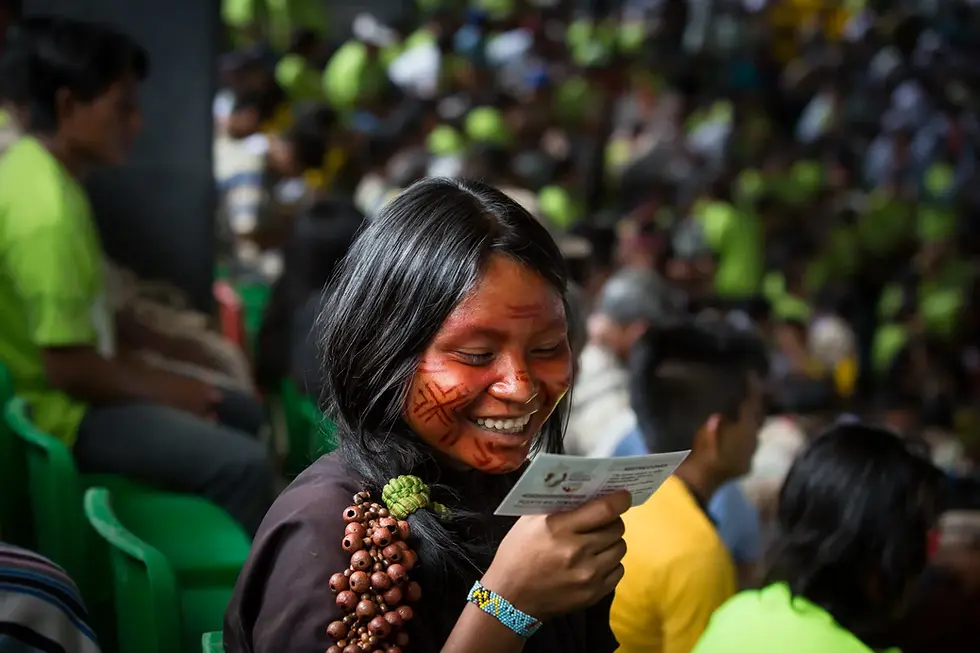
At the centre of every organisation’s most important work are people — the communities whose lives are affected, the teams doing the work, the leaders taking the risks. When we reduce those people to statistics or composite case studies, we lose the very thing that gives the story its power.
The most effective fundraising I have witnessed — including supporting the Tenure Facility through the process that secured significant investment from the Audacious Project in 2021 — was grounded in stories of real people, real land, and real decisions made under pressure. Not anecdotes deployed as decoration around data, but the lived reality of communities whose futures depended on getting the work right. Those stories were specific, accountable, and true. And they moved funders who had heard a thousand pitches before.
Telling those stories well requires more than good writing. It requires genuine relationships with the people at the centre of the work, a clear ethics of consent and representation, and the willingness to resist the urge to simplify. The storytelling that actually builds change is honest, specific, and built in genuine partnership with the people whose stories are being told.


Comments